How CBD for Inflammation Works: A Practical Guide to Natural Relief
Understanding Inflammation and the Body’s Response
Inflammation is something every person experiences at some point. It shows up as swelling after a sprained ankle, the stiffness in your joints after a long day, or the deep ache of arthritis that never quite goes away. Acute inflammation is the body’s natural way of signaling that something needs repair. But when that process becomes chronic, it can wear down tissues, interfere with daily life, and contribute to conditions like neuropathic pain and arthritis. This is where many people begin looking for something that works differently than standard painkillers.
Over the past several years, interest in cbd for inflammation has grown steadily. People who deal with persistent joint pain or muscle soreness often report noticeable changes when they introduce CBD into their routine. The reason is rooted in how CBD interacts with systems in the body that regulate pain and immune response. It is not a cure-all, but for many it offers a gentler alternative to nonsteroidal anti-inflammatory drugs. The endocannabinoid system, a network of receptors and signaling molecules that help maintain balance in the body, plays a central role in this process.
How CBD Interacts with Pain Pathways
CBD oil and other hemp-derived products work primarily by influencing the endocannabinoid system. Unlike THC, CBD does not produce a high. Instead, it encourages the body to produce more of its own endocannabinoids, which then bind to receptors throughout the nervous system. Two types of these receptors, CB1 receptors and CB2 receptors, are especially relevant to inflammation. CB1 receptors are found mainly in the brain and central nervous system, while CB2 receptors are more common in immune cells. When CBD indirectly activates these receptors, it can reduce the release of pro-inflammatory signals.
Some research also points to CBD’s influence on NMDA receptors, which are involved in pain transmission and memory of pain. By modulating these receptors, CBD may help dampen the sensation of neuropathic pain, a particularly stubborn type of pain that results from nerve damage rather than tissue injury. This is one reason why many people with chronic conditions turn to full-spectrum CBD products. Full-spectrum extracts contain a range of cannabinoids, terpenes, and flavonoids that work together, often producing a stronger effect than isolated CBD alone.
Choosing the Right Form of CBD
Not all CBD products deliver the same results for inflammation. The method of consumption matters because it affects how quickly and how thoroughly the compound enters your system. Vape pens are popular for fast relief. Inhaling CBD sends it directly into the bloodstream through the lungs, so effects can be felt within minutes. This can be useful for sudden flare-ups of arthritis pain or muscle tension. However, the effects of vaping tend to be shorter-lived compared to other methods.
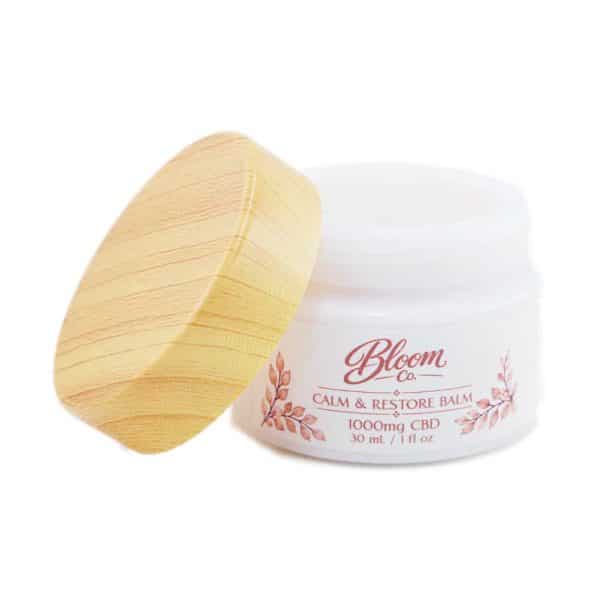
CBD balms are another option, especially for localized discomfort. Applied directly to a sore knee or an aching shoulder, the balm allows CBD to penetrate the skin and interact with nearby CB2 receptors. This topical approach avoids the digestive system entirely, which some people prefer if they have a sensitive stomach. The downside is that balms rarely reach deeper tissues, so they work best for surface-level pain.
CBD edibles offer a slower but longer-lasting effect. Gummies, capsules, and other ingestible forms pass through the liver, which metabolizes some of the CBD before it reaches the rest of the body. This reduces the amount available at any given moment, but the effects can last for several hours. For someone dealing with general inflammation throughout the day, edibles can be a steady choice. CBD bath bombs are a more relaxing option, allowing full-body absorption through the skin while you soak. They are not the most potent delivery method, but they can help ease overall tension and mild inflammation after a long day.
Quality and Extraction Matter
The quality of the hemp source and the extraction method used to produce the oil have a direct impact on effectiveness. CO2 extraction is one of the cleanest methods available. It uses pressurized carbon dioxide to separate the cannabinoids and terpenes from the plant material without leaving behind chemical solvents. This preserves the delicate compounds that contribute to the anti-inflammatory response. Full-spectrum CBD products made through CO2 extraction tend to retain a broader profile of beneficial molecules, including minor cannabinoids that work alongside CBD.
Terpenes, the aromatic compounds found in hemp and other plants, also play a role. Beta-caryophyllene, for example, is a terpene that binds directly to CB2 receptors and has shown anti-inflammatory properties in animal studies. Flavonoids, another group of plant compounds, add antioxidant effects that can protect cells from damage caused by chronic inflammation. When these compounds are present together in a full-spectrum extract, the combined effect often exceeds what any single compound can achieve on its own.

What the Research Says
Clinical trial data on cbd for inflammation is still emerging, but the early results are promising. A number of small-scale studies have examined CBD’s effect on arthritis and chronic pain. One placebo-controlled trial found that people with osteoarthritis who used CBD reported reduced pain and improved mobility over a four-week period. Another study focused on neuropathic pain showed that CBD reduced pain-related behaviors in animal models by acting on both CB1 receptors and NMDA receptors. While human trials remain limited in size, the consistency of the findings suggests that CBD has real potential as an anti-inflammatory agent.
It is worth noting that not all studies show dramatic results. Some trials have found only modest improvements, especially when the dosage was low or the product was not full-spectrum. The variability in product quality across the market is a real issue. Without third-party testing, it is hard to know exactly how much CBD is in a given product or whether it contains the claimed cannabinoid profile. This is why sourcing matters. Reputable sellers like KushStation provide clear information about their extraction methods and cannabinoid content, which helps customers make informed choices.
Practical Considerations for Everyday Use
Starting with cbd for inflammation requires some patience. The effects are not always immediate, and finding the right dose often involves some trial and error. A good rule is to begin with a low dose, wait at least an hour to see how your body responds, and then adjust gradually. For topical products like balms, apply a small amount to the affected area and give it time to absorb before evaluating the results.
Another factor to keep in mind is that CBD can interact with other medications, particularly those that are metabolized by the liver. If you take prescription drugs for arthritis or other inflammatory conditions, it is wise to check with your doctor before adding CBD to your regimen. Most side effects are mild, such as dry mouth or drowsiness, but individual responses vary.
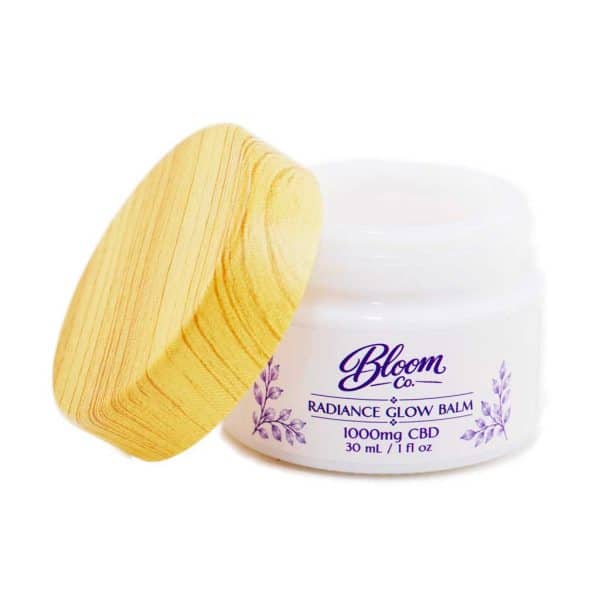
For people who prefer not to ingest CBD at all, topical products like balms and bath bombs offer a low-risk entry point. They are easy to use, require no measuring, and can be incorporated into an existing self-care routine without much effort. The key is consistency. Using a CBD balm once after a workout will not produce lasting change, but applying it daily over several weeks may help reduce baseline inflammation.
Final Thoughts on Finding What Works
Inflammation is a complex biological process, and no single compound can solve it entirely. But the growing body of anecdotal and clinical evidence suggests that CBD can be a valuable tool, especially for people who want to avoid the side effects of long-term NSAID use. The best approach is to match the product to the problem. Vape pens for quick relief during a flare-up, CBD edibles for sustained support throughout the day, and CBD balms for targeted application on sore spots.
Understanding the underlying science helps, but real-world experience matters just as much. Pay attention to how your body responds and adjust accordingly. With thoughtful use and high-quality products, many people find that CBD becomes a reliable part of their strategy for managing inflammation and supporting overall well-being.
Ends · MYCBDINFLAMMATIONJOURNAL